
Crazy Time results, read the right way
Crazy Time Results and Wheel History, Explained
Every spin lands on one of 54 wheel segments, and the live result feed logs each outcome together with its Top Slot multiplier. Here is how to read that history, what the segment counts actually mean for your odds, and why a run on one number tells you nothing about the next spin.
The base chance of any single segment landing on a given spin, before the Top Slot multiplier is applied.
Table of Contents
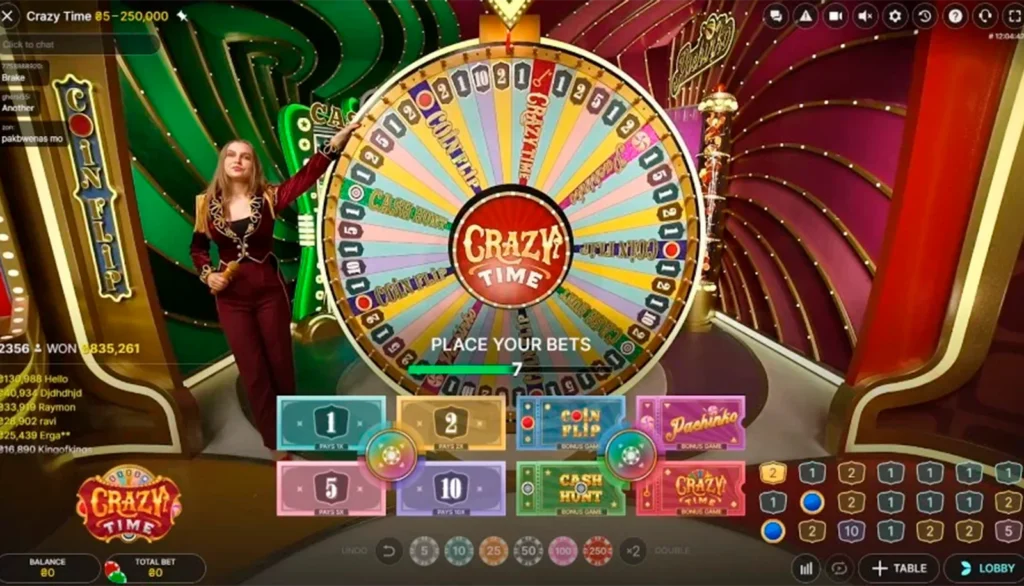
What the Crazy Time result feed looks like on screen




What players tell us about reading Crazy Time results
Four notes from readers who kept a record of their sessions. Experiences differ — these are opinions, not outcomes you should expect.
I check the result feed for a couple of minutes before I even open the table, just to see how the last hour of spins landed. It takes the guesswork out of when to stop watching and start playing.
Michael B.
Casual player
I logged two hundred spins in a spreadsheet before risking a rupee. The number 1 segment looked "overdue" a few times, then landed twice in a row the next session — the maths in this guide explained exactly why.
Emily R.
Strategy enthusiast
Runs fine on a three-year-old phone over mobile data, though the result history strip lags about a second behind the live wheel. I still prefer the browser version for its longer spin history view.
Laura H.
Mobile-first player
Deposits landed instantly by UPI; my first withdrawal after a Crazy Time bonus round hit took roughly a day because verification ran first. Knowing that upfront would have saved me a support ticket.
Rachel A.
Weekend player
How to read a Crazy Time result in three steps
The result feed shows more than a number. This is what each part of it means, described once so the first spin you watch holds no surprises.
Check the Top Slot before the spin
Two reels above the wheel set a multiplier and attach it to one betting spot before the wheel moves. If the wheel later lands on that same spot, every result feed entry for that spin shows the boosted figure, not the base payout.
Read which of the 54 segments landed
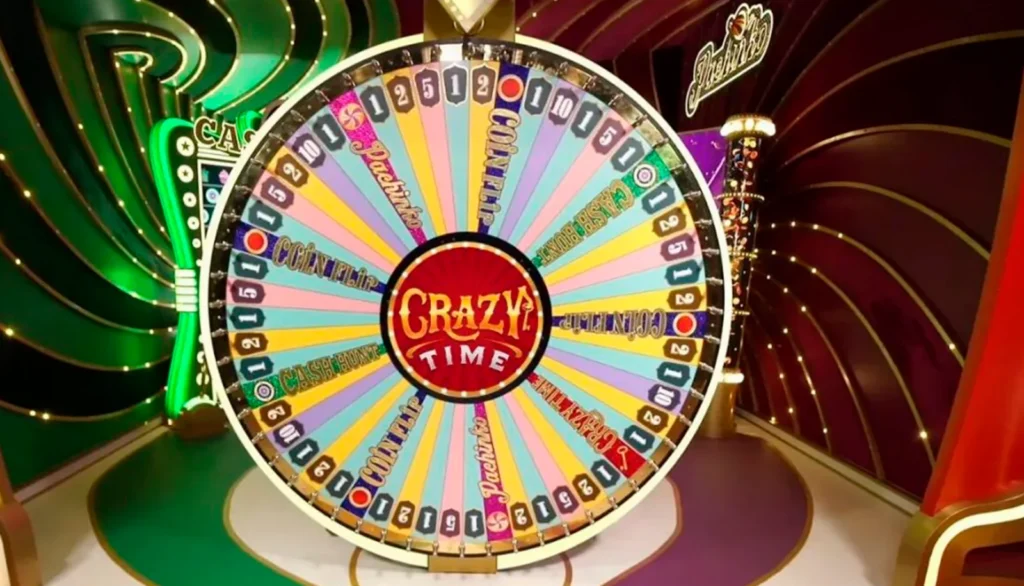
Numbers 1, 2, 5 and 10 fill 45 of the 54 segments; the four bonus rounds share the remaining nine. A result log shows the segment and the payout, not a guess at why it came up.
Log the spin, then move to the next one
The wheel is spun live by the host and the result is the same for every player watching. Note the segment, the multiplier and your stake — a history you cannot review is a history you cannot learn from.
What the Crazy Time result feed actually tells you
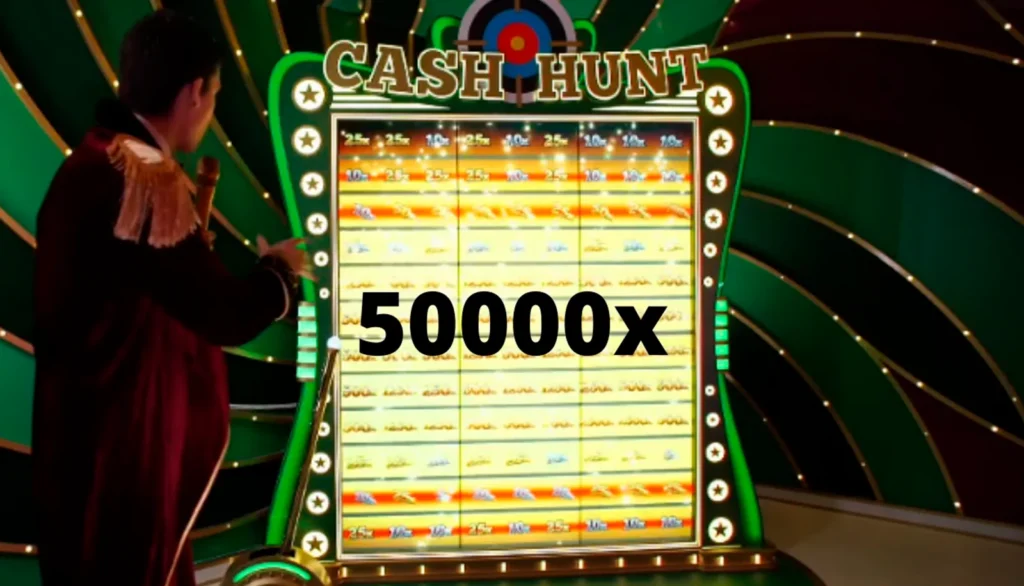
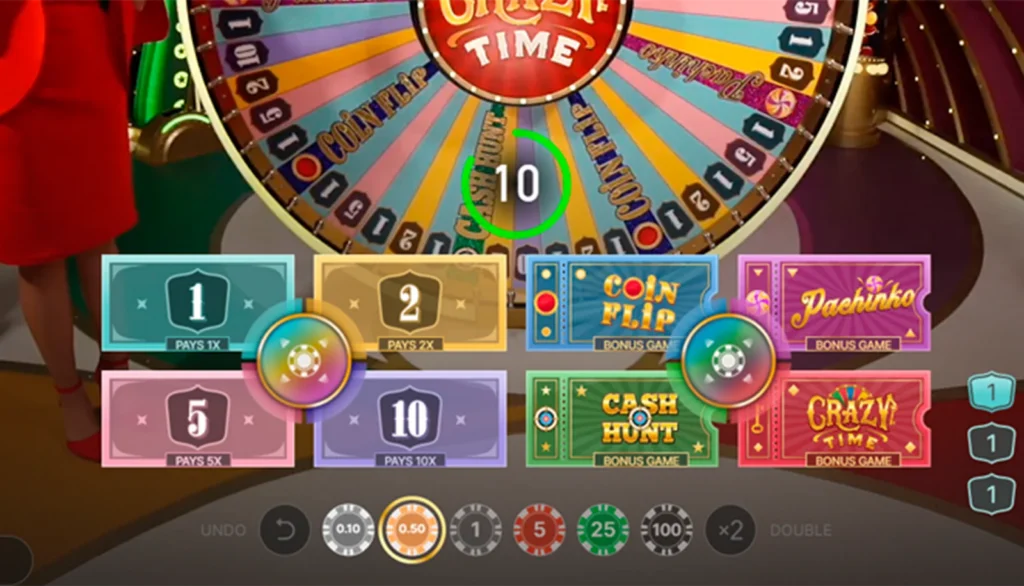
Crazy Time is a live wheel game from Evolution: a 54-segment wheel carries the numbers 1, 2, 5 and 10 plus four bonus rounds — Cash Hunt, Pachinko, Coin Flip and the Crazy Time bonus itself — and a host spins it live on camera each round. The result feed is a record of what already happened, not a hint about what comes next: every spin is independent of the one before it. This site is an independent guide to reading that feed, the segment counts behind it and the payout table each spot carries. We host no rounds and take no stakes. Play only if you are 18 or over, and only with money you can afford to lose.
Learn MoreRoadmap of this guide
How the Crazy Time results coverage here has grown, and what is being written next.
Segment map and payout tables
Mapped all 54 wheel segments and wrote out the base payout for each number and bonus spot that readers ask about most.
Top Slot and live-draw checks
Added a plain-language walkthrough of how the Top Slot picks its multiplier and spot, and what a published result feed can and cannot tell you about a live spin.
Mobile result-feed coverage
Testing how the Crazy Time result history loads on mid-range Android handsets: refresh speed, data use and where the browser build behaves differently.
Bankroll tools
Next up: a stake calculator, a printable spin log, and a deeper look at deposit and withdrawal timings for players in India.
The guide in numbers
Who reads these pages, and how much of the Crazy Time result history we have documented so far.
Readers who have worked through this Crazy Time results guide
Cities across India our readers write in from
Average rating readers give the guide
Uptime recorded for this site over the past year
Crazy Time results, covered end to end
Six things documented here that most result-tracker pages skip entirely.
Streak reading, tested rather than sold
Segment counting, "hot number" tracking, doubling systems — each one described, then pushed until it breaks against the wheel's fixed odds. Nothing beats a live spin, and understanding exactly why is the cheapest lesson on this page.
Spin pace compared
A typical Crazy Time round runs about a minute end to end, with notes on how the Top Slot reveal and any bonus round stretch that timing.
How the result feed is verified
The wheel is spun live on camera by a real host, so every result in the feed can be checked against the broadcast itself rather than taken on trust.
Segment map written for a first-time viewer
The full 54-segment breakdown, the payout attached to each number and bonus round, and what the Top Slot multiplier changes about a result. Plain English throughout, with no assumed knowledge of the game.
Stake maths in rupees
Worked examples in INR showing how a flat ₹50 stake on number 1 and a doubling plan diverge after eight losing spins in a row.
Myths taken apart
"Due" numbers, hot bonus rounds, paid signal groups and “hack” scripts — what each claim quietly assumes, and where the segment maths disagrees.
The Crazy Time table we reference

Odds96 hosts the Crazy Time table used for the screenshots and result examples throughout this guide, playable in a mobile browser with no install. The link above is an affiliate link: it costs you nothing, changes no odds and buys no praise. Strictly 18+, and treat every deposit as money already spent.
Check the licence before you deposit
Find the operator's licence number, its verification rules and its self-exclusion settings first. Those three details matter more than any welcome offer attached to them.
Rupee payments, browser play
The table loads in a mobile browser without an install or extra permissions, and Indian payment methods are supported. Confirm the current list on the operator's own page, since it changes.
FAQ
Six questions readers send us most often about Crazy Time results. Short answers, no sales pitch.
The live table itself keeps a result history strip showing recent segments and their multipliers, and most operator sites carry a longer statistics page behind the game. Both pull from the same live spins — there is no separate "official" archive elsewhere.
Out of 54 segments, number 1 fills 21, number 2 fills 13, number 5 fills 7, number 10 fills 4, and the four bonus rounds share the remaining 9 (4 Coin Flip, 2 Cash Hunt, 2 Pachinko, 1 Crazy Time). Over a long enough result log the hit rate for each settles close to those counts.
No. Every spin is independent, so ten spins without a bonus round say nothing about the eleventh. Anyone selling a Crazy Time prediction signal from a result history is selling a guess with a subscription attached to it.
Before every spin, the Top Slot's two reels pick a betting spot and a multiplier between 2x and 50x. If the wheel then lands on that same spot, the result feed shows the boosted payout instead of the base one — the segment landed is the same, only the multiplier changes.
Deposits by UPI or wallet are usually instant. Withdrawals take longer because identity verification runs first, so budget a day or two for the first payout and finish verification before you need the money rather than after.
Yes. Both pull from the same live broadcast, so the segment, the multiplier and the timing match. An app mainly adds push notifications and a slightly quicker load; install only from the operator's own site.